Enhancing Border Security-The Application of Biometric Tablets at Customs
The Application of Biometric Tablets at Customs
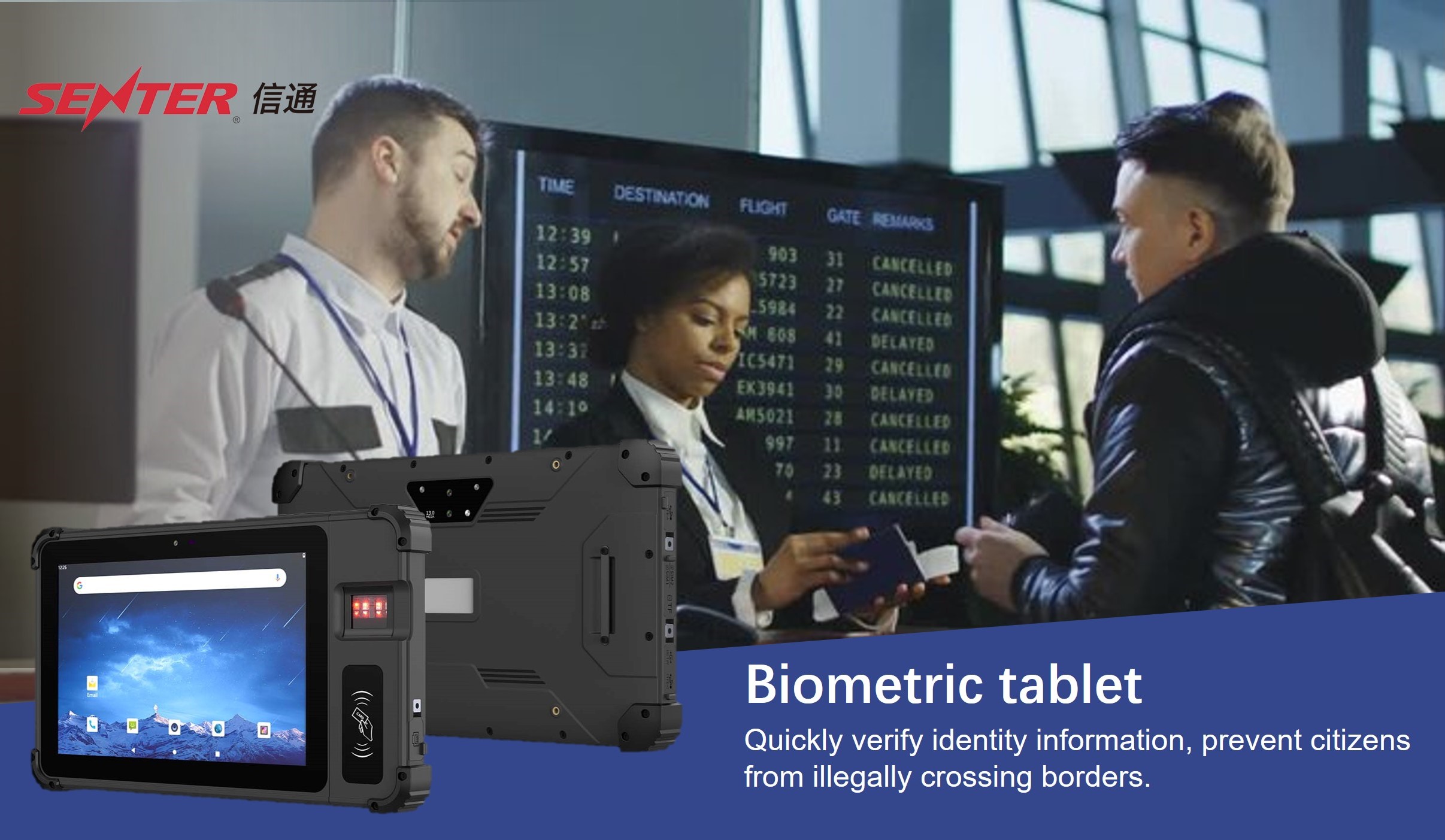
1. Acceleration of entry and exit process: The rapid biometric function of the biological tablet can effectively accelerate the entry and exit process. Passengers only need to place their fingers in front of the fingerprint sensor, and the system can quickly verify their identity information, reducing the time and complexity of manual verification. This helps to improve the efficiency and convenience of border clearance.
2. Identity verification and security: Biotablets use biometric recognition technology to ensure the true identity of inbound and outbound passengers. The uniqueness and difficulty in forgery of fingerprints, faces, or iris make biological tablets a reliable identity verification tool. With the help of biological tablets, customs can accurately confirm the identity of passengers, prevent counterfeiting and illegal entry, and maintain the security of national borders.
3. Data integration and sharing: The biometric tablet can be integrated with the customs database system. When passengers perform biometric identification, the tablet will automatically compare with the relevant database to verify their identity and risk background. This data integration and sharing mechanism helps customs departments better grasp passenger information, strengthen border security management, and ensure border security and stability.
4. Mobility and flexibility: The portability and flexibility of biological tablets make them suitable for various customs environments, including airports, ports, and border checkpoints. Customs personnel can carry biological tablets for biometric identification and identity verification anytime, anywhere.
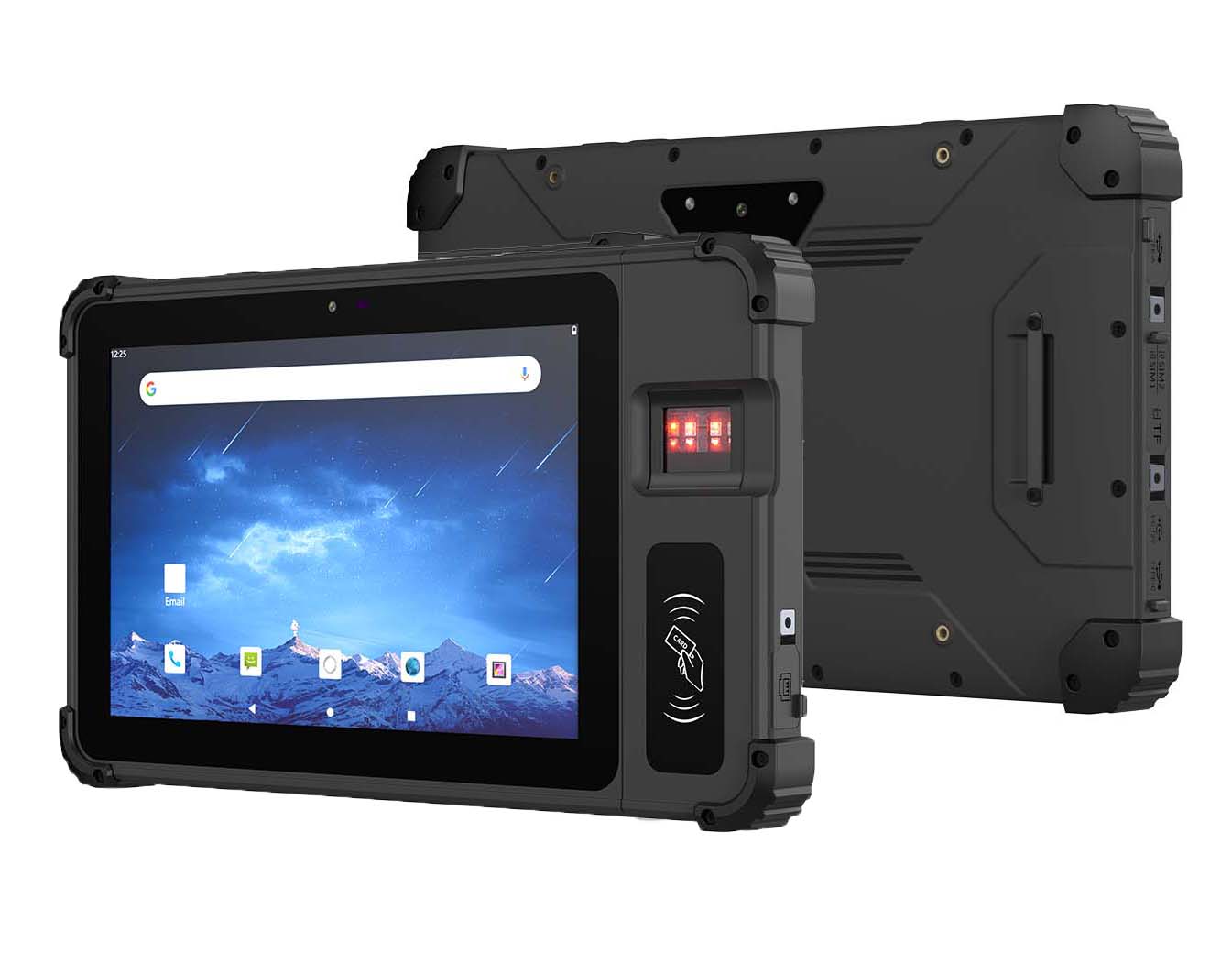
Biometric tablets have many applications in customs, such as border security and entry and exit management. Biometric tablet can perform identity verification and recognition by scanning biometric features such as fingerprints, faces, or iris. The following are some aspects of the application of biological tablets in customs:
1. Acceleration of entry and exit process: The rapid biometric function of the biological tablet can effectively accelerate the entry and exit process. Passengers only need to place their fingers in front of the fingerprint sensor, and the system can quickly verify their identity information, reducing the time and complexity of manual verification. This helps to improve the efficiency and convenience of border clearance.
2. Identity verification and security: Biotablets use biometric recognition technology to ensure the true identity of inbound and outbound passengers. The uniqueness and difficulty in forgery of fingerprints, faces, or iris make biological tablets a reliable identity verification tool. With the help of biological tablets, customs can accurately confirm the identity of passengers, prevent counterfeiting and illegal entry, and maintain the security of national borders.
3. Data integration and sharing: The biometric tablet can be integrated with the customs database system. When passengers perform biometric identification, the tablet will automatically compare with the relevant database to verify their identity and risk background. This data integration and sharing mechanism helps customs departments better grasp passenger information, strengthen border security management, and ensure border security and stability.
4. Mobility and flexibility: The portability and flexibility of biological tablets make them suitable for various customs environments, including airports, ports, and border checkpoints. Customs personnel can carry biological tablets for biometric identification and identity verification anytime, anywhere.

New way- Census to be taken using mobile rugged tablet
Related Products